Minimalist Embroidery Design: A Designer’s Honest Review for Boutique Sweatshirts
First Impressions: Clean, Elegant, and Versatile
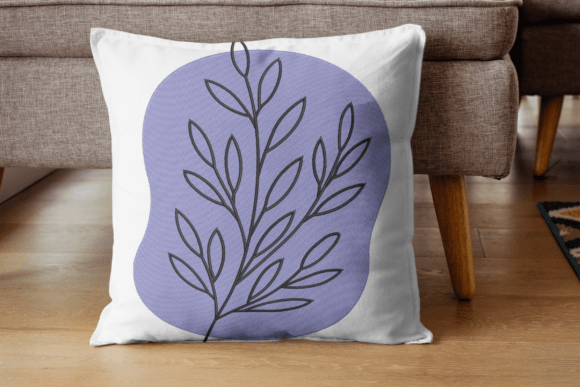
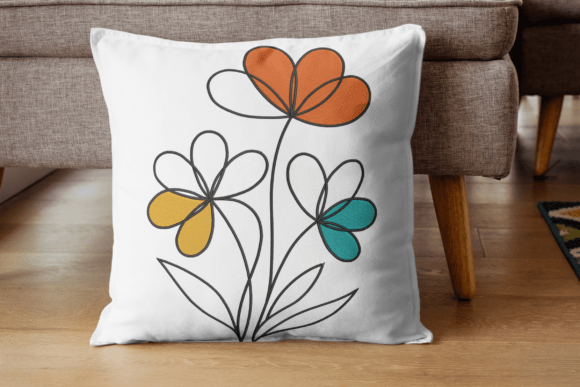
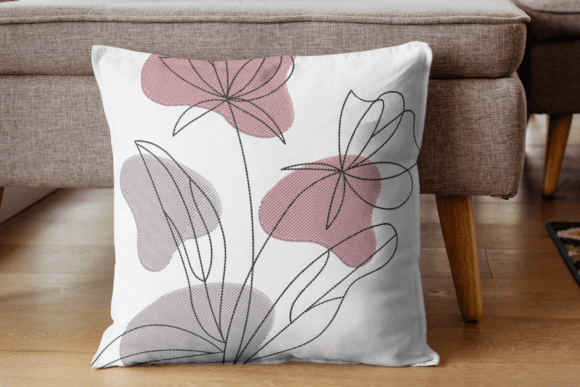
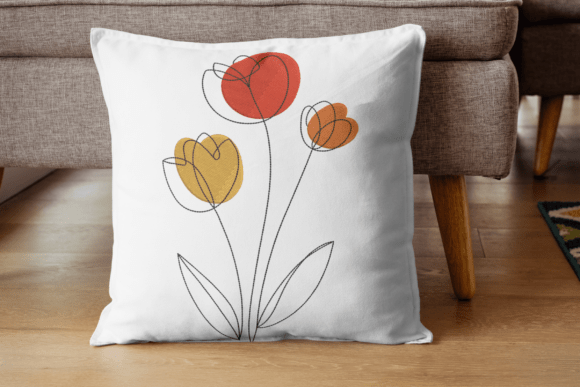
As an embroidery designer working with small boutique brands, I’m always on the lookout for digital embroidery files that feel premium yet adaptable. The Minimalist Embroidery Design immediately caught my eye with its promise of floral elegance and clean lines. From the product description, it’s clear this is a single flower design intended for a wide range of applications—from clothing to home decor. But how does it translate for a small batch sweatshirt collection?
The design’s title suggests simplicity, and that’s exactly what I expect from it: a streamlined floral motif that doesn’t overwhelm the fabric. Minimalist doesn’t mean boring—it means intentional. This kind of embroidery should feel like a subtle signature on a sweatshirt, not a loud statement. I imagine it landing beautifully on a neutral oversized hoodie or adding a soft accent to a pastel sleeve.
Placement Options: Hoodies, Sleeves, and Back Panels
One of the first things I consider when evaluating a machine embroidery design is placement. The Minimalist Embroidery Design seems ideal for chest embroidery on hoodies, especially if the brand wants to maintain a clean, elevated aesthetic. Its likely small-to-medium scale makes it perfect for a left-chest placement, similar to a classic monogram but with a botanical twist.
For a more playful or feminine touch, this design could also work well on sleeve cuffs or as a subtle back detail. It’s not too bold, so it won’t compete with oversized silhouettes or textured knits. Instead, it complements them—especially if the sweatshirts are made from heavier cotton blends or brushed fleece, which are common in boutique seasonal collections.
Color and Fabric Compatibility: Thread Choices Matter
When working with a digital embroidery file like this, thread color contrast is key. Since the design is floral and minimalist, it can easily be adapted to different color palettes. For a neutral sweatshirt, choosing a soft terracotta or sage thread could add warmth without overpowering the garment. On darker fabrics, a cream or metallic thread might give it that boutique-worthy glow.
Thread selection also affects the design’s perceived value. A small shop product needs to feel handmade but professional. If the stitch density is balanced—dense enough to cover the fabric but not so heavy that it creates stiffness—it will look polished and durable. That’s essential for commercial embroidery, especially when selling to customers who expect both beauty and longevity.
Practical Concerns: Stabilizer, Hoop Size, and Washability
From a technical standpoint, the success of the Minimalist Embroidery Design will depend on proper stabilizer use and hoop placement. Thick sweatshirt fabrics require a medium-weight tear-away or cut-away stabilizer to prevent puckering and ensure crisp details. Hoop size is also crucial—especially if the design is small and intricate.
I’d recommend checking the file’s stitch count (if available) to gauge how it will perform on heavier materials. A design that’s too sparse may not read well on textured fabric, while one that’s overly dense could cause distortion. Since the product description doesn’t specify these details, I’d remind fellow Etsy sellers and small shop owners to verify file specs before production.
Washing durability is another concern. A quality machine embroidery design should hold up after multiple cycles without fraying or losing shape. This is especially important for handmade products sold online—where customer trust is built on perceived quality and real-world performance.
Brand Impact: Elevating Your Boutique Aesthetic
What sets a boutique brand apart isn’t just the garment—it’s the thoughtful details. The Minimalist Embroidery Design offers a chance to elevate a basic sweatshirt into a curated lifestyle product. Whether used on Etsy listings or in product photography mockups, this kind of embroidery adds a personal, artisanal touch that resonates with conscious consumers.
From a branding perspective, this design could become part of a visual identity. Imagine it subtly placed on packaging tags, garment labels, or even digital assets used in marketing. It’s the kind of detail that supports a cohesive brand story—especially for creative entrepreneurs who want to stand out in a crowded market.
Final Thoughts: A Strong Choice for Boutique Sweatshirts
In short, the Minimalist Embroidery Design feels like a solid investment for small clothing brands and embroidery shops. It’s elegant, adaptable, and fits well within the current trend of understated luxury in casual wear. Whether used on a cozy oversized hoodie or a lightweight pastel sweatshirt, it has the potential to enhance the garment without overpowering it.
For those preparing a limited drop or seasonal collection, this embroidery file could be the finishing touch that turns a standard sweatshirt into a must-have boutique piece. Just be sure to test the file on sample fabric first, confirm thread and stabilizer choices, and ensure the design aligns with your brand’s aesthetic and production standards.
Next Steps for Small Shop Owners and Etsy Sellers
- Download a preview of the Minimalist Embroidery Design and test it on sample fabric.
- Experiment with different thread colors to match your sweatshirt color palette.
- Use printable mockups to visualize how the design will look in product photos and listings.
- Verify file specs—especially stitch count, hoop size, and compatibility with your embroidery machine.
- Consider offering customization options to increase perceived value and customer engagement.
As a designer, I always look for embroidery files that offer both beauty and practicality. The Minimalist Embroidery Design checks those boxes—and with the right execution, it can help elevate your next sweatshirt collection from casual to curated.